Is Fit Model on the Road to Becoming the Biggest Division in the NPC & IFBB Pro League?
When NPC Vice President Tyler Manion announced the introduction of the Fit Model division at the end of 2024, the reaction was immediate and largely sceptical.
Many questioned whether bodybuilding needed another division. Others argued that the sport had lost its way entirely. Social media was flooded with criticism, and some fans were quick to dismiss Fit Model before a single athlete had even stepped on stage.
Fast forward to 2026, and the conversation looks very different.
The amateur side of Fit Model officially launched in 2025, with Angie Miranda making history as the first-ever Fit Model Overall Champion before later becoming the first athlete to earn an IFBB Pro Card in the division in Japan.
From there, momentum began to build.
North America was among the first regions to embrace the division, while other territories took longer to establish classes and educate athletes on the criteria. That hesitation should not come as a surprise. The Bikini division faced similar resistance when it was introduced nearly two decades ago, and today it stands as one of the most successful divisions in bodybuilding history.
Now, with the professional ranks officially established in 2026, Fit Model has exploded onto the IFBB Pro League scene.
In fact, participation levels are already exceeding expectations.
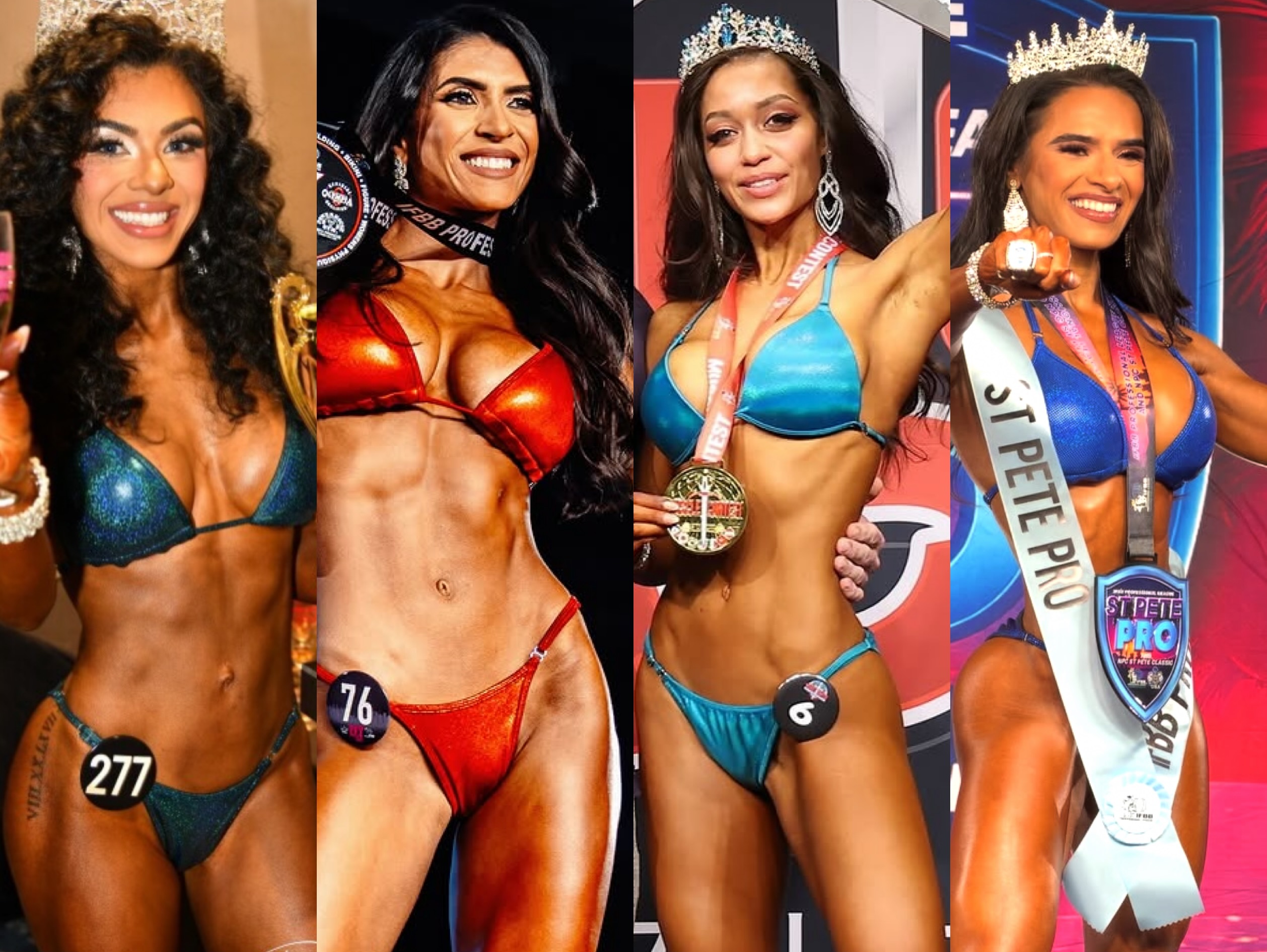
Athletes are competing regularly, with many Fit Model Pros entering anywhere between three and six shows during the first half of the season alone. Coaches are reporting an increase in enquiries, posing coaches are seeing growing demand, and Bikini-focused brands are attracting a wave of new athletes entering the competitive space.
Just as importantly, the judges have been proactive in educating competitors on what the division represents.
Through seminars, workshops, and social media content, judges such as Sandy Williamson and Becky Clawson have helped create clarity around the criteria and expectations. Rather than allowing confusion to define the division, they have actively worked to shape its identity from the outset.
One of the biggest misconceptions surrounding Fit Model was that it would simply become a landing spot for Bikini athletes looking for an easier route to success.
That prediction has not materialised.
If anything, the opposite has happened.
Fit Model athletes have established their own identity and have delivered exactly the look Tyler Manion described when he first unveiled the division. Rather than being an extension of Bikini, Fit Model is developing into a category with its own standards, personalities, and culture.
What is perhaps most exciting is the sense of community being built in real time.
Athletes understand that they are not only competing but helping shape the future of the division.
Emily Chanel, the first-ever IFBB Pro Fit Model winner, has used her YouTube platform to document the journey and introduce new audiences to the category. Jane Jones has been active in athlete education through seminar appearances and posing guidance. Brittni Shae has helped amplify awareness through her podcast and industry appearances.
These athletes are not simply competing; they are becoming ambassadors.
For anyone willing to step forward, there is a genuine opportunity to become one of the leading voices of the division as it continues to evolve.
The question now is simple: where will Fit Model be in 2027 and beyond?
Looking at the current trajectory, it is difficult to argue against the possibility that Fit Model could become the most popular division across both the NPC and IFBB Pro League.
The reasons are obvious.
The criteria are attainable for a wider audience. The division attracts new competitors who may never have considered stepping on stage before. It creates opportunities for coaches, promoters, brands, judges, and athletes alike. Most importantly, it brings new people into bodybuilding.
History has shown that divisions such as Bikini and Men’s Physique have been major drivers of growth for the sport. Increased participation leads to larger shows, larger audiences, stronger sponsorship opportunities, and ultimately more revenue throughout the industry.
When bodybuilding grows, everybody benefits.
More competitors mean bigger events. Bigger events create greater sponsorship opportunities. Greater sponsorship creates the potential for increased prize money and investment across every division, not just Fit Model.
That is why the success of Fit Model should not be viewed as a threat to bodybuilding.
It should be viewed as an opportunity.
The division is attracting new athletes, generating new interest, and introducing a fresh audience to the sport. For a bodybuilding industry that is constantly searching for ways to evolve and expand, Fit Model may prove to be one of the most important developments of the modern era.
The sceptics had their say in 2024.
The athletes are answering back in 2026.
And based on the momentum we are seeing today, Fit Model’s biggest growth is still ahead of it.